
When it comes to large-scale industrial operations, choosing the right lubricant supplier can make or break operational efficiency. The demands of heavy machinery, high production volumes, and strict maintenance schedules necessitate a supplier that goes beyond simply delivering lubricants. In such environments, the lubricant supplier must be a strategic partner—one that contributes to reliability, innovation, and cost-effectiveness over the long haul.
Table of Contents
- 1. Advanced Supply Chain Integration
- 2. Customized Lubrication Programs
- 3. In-House Testing and Technical Support
- 4. Commitment to Sustainability
- 5. Robust Safety and Compliance Framework
- 6. Scalable Logistics Infrastructure
- 7. Data-Driven Optimization Services
- 8. Longevity and Industry Reputation
- FAQs
- Why is customization in lubrication important for large-scale operations?
- How can a lubricant supplier help with sustainability goals?
- Is it necessary for a supplier to have its testing labs?
- What role does data analytics play in lubricant supply today?
- Can a single supplier support operations across multiple regions?
- Final Thoughts
But what exactly distinguishes an average supplier from an indispensable one? Let’s dig into some of the lesser-discussed, high-impact traits that truly matter for large-scale enterprises.
1. Advanced Supply Chain Integration
For large-scale operations, lubricant needs are not static. There’s variability based on production cycles, climatic conditions, and even global events affecting crude oil markets. Top lubricant suppliers don’t just react to these changes; they anticipate them. One of the key differentiators is how well a supplier integrates into your supply chain.
Advanced suppliers utilize technologies such as IoT-enabled inventory tracking, AI-based demand forecasting, and automated reordering systems. This integration ensures that oil lubricants and bulk lubricants are always available without overstocking or unexpected shortages—critical for industries like manufacturing, mining, and logistics where downtime equals massive losses.
2. Customized Lubrication Programs
Not all lubricants are effective across different machinery or environments. While many suppliers offer a standard range of products, elite suppliers collaborate with clients to develop or recommend custom lubrication programs tailored to specific machinery, usage frequency, and ambient conditions.
This involves not only supplying high-performance lubricants but also advising on proper application intervals, and storage solutions, and even helping with employee training on best practices. For operations running 24/7, this customization translates to better equipment protection, reduced wear, and fewer failures.

3. In-House Testing and Technical Support
The role of a supplier’s technical capabilities is often overlooked—until a lubrication failure halts production. Exceptional lubricant suppliers maintain in-house labs where they can analyze oil samples, conduct root cause analyses, and adjust formulations if needed.
Imagine running an industrial plant with diverse assets—pumps, compressors, gearboxes—and facing an unexpected rise in operating temperatures. Rather than relying on third-party labs and waiting days or weeks for answers, a supplier offering same-day testing and diagnostics can drastically reduce troubleshooting time.
In sectors like energy or transportation, where margins are tight and stakes are high, this kind of technical responsiveness is a game-changer.
4. Commitment to Sustainability
Sustainability is no longer just a buzzword—it’s a business imperative. Large-scale operations face increasing pressure to reduce environmental impact, and lubricant usage is part of the equation. Progressive lubricant suppliers are ahead of the curve in offering eco-friendly options such as biodegradable lubricants, re-refined oil lubricants, and sustainable packaging.
Some suppliers assist in lubricant lifecycle management, helping clients responsibly recycle used oils or switch to long-life, high-performance lubricants that reduce consumption and waste. This alignment with sustainability goals isn’t just good for the planet; it enhances corporate reputation and can even unlock regulatory incentives.
5. Robust Safety and Compliance Framework
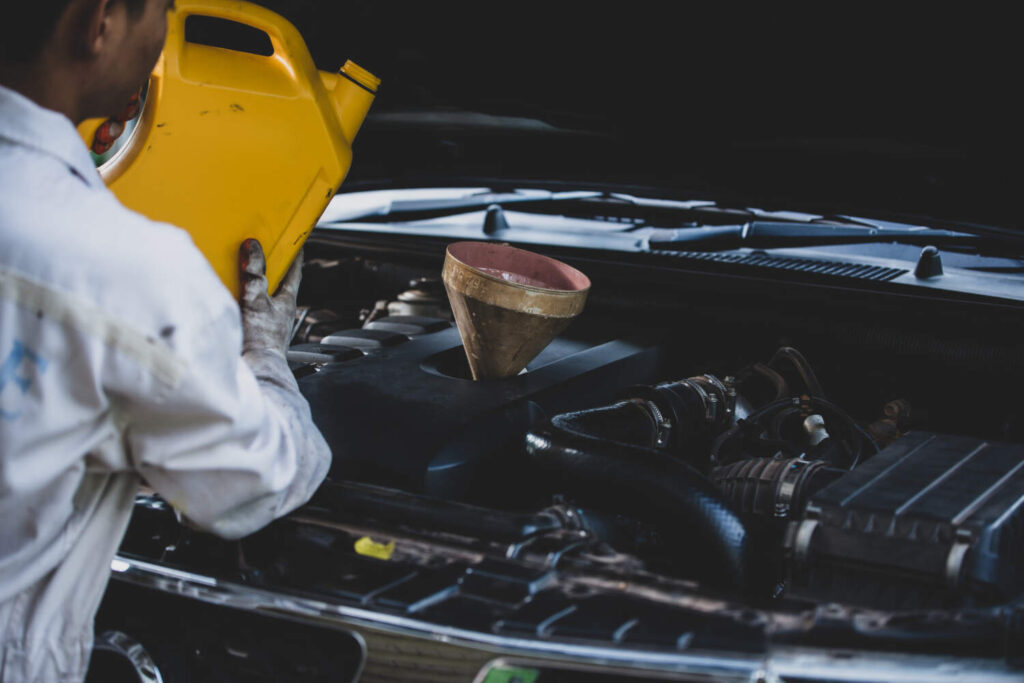
Handling bulk lubricants at scale introduces inherent safety and regulatory challenges. Spills, improper storage, and cross-contamination can lead to environmental penalties and operational delays. A top-tier supplier provides more than just Material Safety Data Sheets (MSDS)—they implement site audits, conduct staff training, and help enforce best practices for safe handling.
Moreover, they keep up with evolving compliance standards, whether it’s ISO 21469 for food-grade lubricants or REACH regulations in Europe. This proactive approach reduces risk exposure and supports audit readiness.
6. Scalable Logistics Infrastructure
So getting lubricants delivered on time and in the right condition is more complex than it sounds. Large-scale operations often span multiple facilities, sometimes across regions or countries. Suppliers with scalable logistics infrastructure—regional depots, temperature-controlled storage, and fleet tracking—ensure reliability even in peak seasons or during supply chain disruptions.
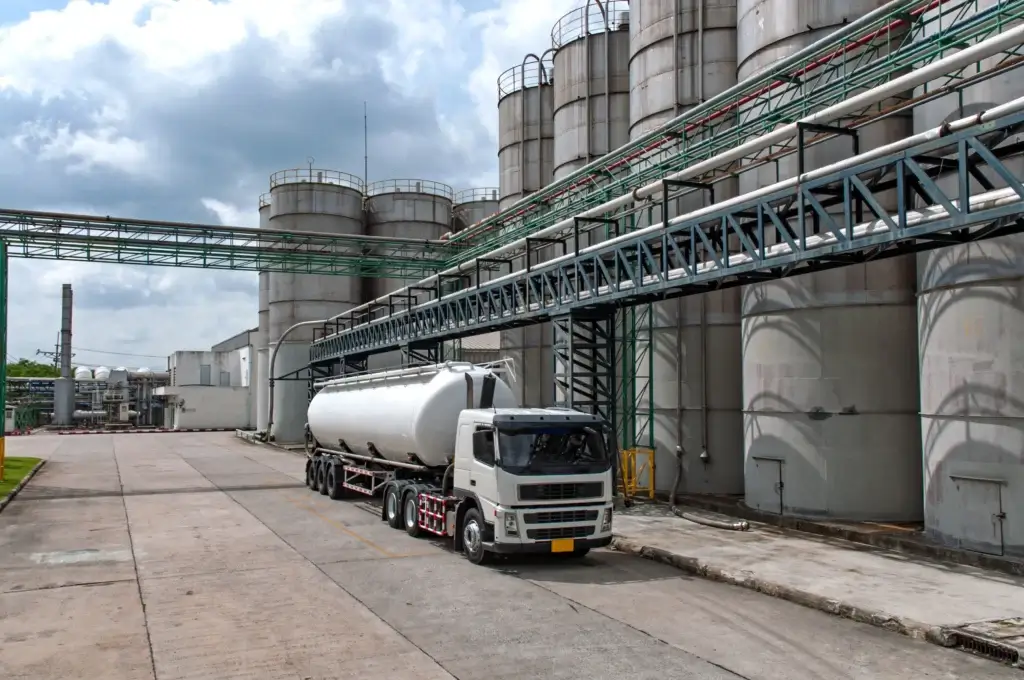
The ability to deliver on-demand without quality compromise is especially critical for operations with limited on-site storage. Top suppliers often provide telemetry-monitored tanks that trigger automatic deliveries when lubricant levels drop—a seamless blend of technology and logistics.
7. Data-Driven Optimization Services
In the age of Industry 4.0, data is currency. Some lubricant suppliers are leveraging digital platforms to provide actionable insights based on lubricant usage patterns. These platforms monitor consumption, analyze equipment performance, and predict failures based on lubricant conditions.
Such data-driven services can reveal inefficiencies—such as over-lubrication or incorrect lubricant selection—that quietly drive up costs. Over time, they empower operations managers to make informed decisions that enhance asset longevity and reduce the total cost of ownership.
8. Longevity and Industry Reputation
While newer suppliers might offer competitive pricing, longevity in the market often correlates with reliability. Suppliers with decades of experience have weathered market fluctuations, built vast technical knowledge, and earned trust across sectors. Their reputation is backed by case studies, industry certifications, and customer testimonials.
Reputable lubricant suppliers also tend to attract and retain top technical talent—meaning your account gets the benefit of experienced support, not just transactional service.

FAQs
Why is customization in lubrication important for large-scale operations?
Customization ensures that each piece of machinery receives the right type and quantity of lubricant for its specific needs. This minimizes wear, improves efficiency, and reduces the chances of unexpected breakdowns.
How can a lubricant supplier help with sustainability goals?
Many suppliers now offer environmentally friendly lubricants, re-refined oils, and support systems for oil recycling. These practices contribute to reducing environmental impact and help companies align with ESG frameworks.
Is it necessary for a supplier to have its testing labs?
Yes—especially for large-scale operations. On-site or in-house testing labs enable rapid diagnostics, minimize downtime, and provide critical data to fine-tune lubrication strategies.
What role does data analytics play in lubricant supply today?
Advanced suppliers use data analytics to monitor lubricant performance, forecast demand, and optimize usage. This helps businesses cut costs, enhance machine reliability, and make strategic decisions.
Can a single supplier support operations across multiple regions?
Yes, but only if they have a strong logistics and distribution network. It’s essential to choose a supplier with regional coverage, consistent quality control, and scalable delivery systems.
Final Thoughts
Instead of providing only oil, a reliable lubricant supplier does much more than that. They become embedded in your operational DNA—supporting uptime, efficiency, and compliance at every turn. As large-scale operations evolve with automation and digitalization, the supplier’s role is expanding from a product provider to a strategic technology and sustainability partner.
So, the next time you’re assessing suppliers, look beyond product specs and pricing. Consider how deeply they can integrate into your operations, how quickly they can respond to problems, and how much insight they can offer to help you thrive—not just today, but in the demanding industrial future.