- Why Teeth With Veneers Can Still Develop Cavities
- Where Decay Can Develop Around a Veneer
- Which Habits Increase Cavity Risk?
- Build a Daily Routine That Protects Your Teeth
- Protect the Restoration From Damage Too
- Warning Signs That Deserve a Dental Review
- What Happens If Decay Is Found?
- Questions to Ask Before Choosing Veneers
- Healthy Teeth Matter Beyond the Before-and-After Photo
- Conclusion
Veneers can change how your smile looks, but they do not make your natural teeth immune to cavities. The porcelain covering cannot decay, yet the tooth supporting it still can.
That distinction matters whether you already have veneers or are considering treatment. A bright, even smile still needs daily cleaning and professional attention. Understanding where decay develops helps you protect both your dental health and your cosmetic investment.
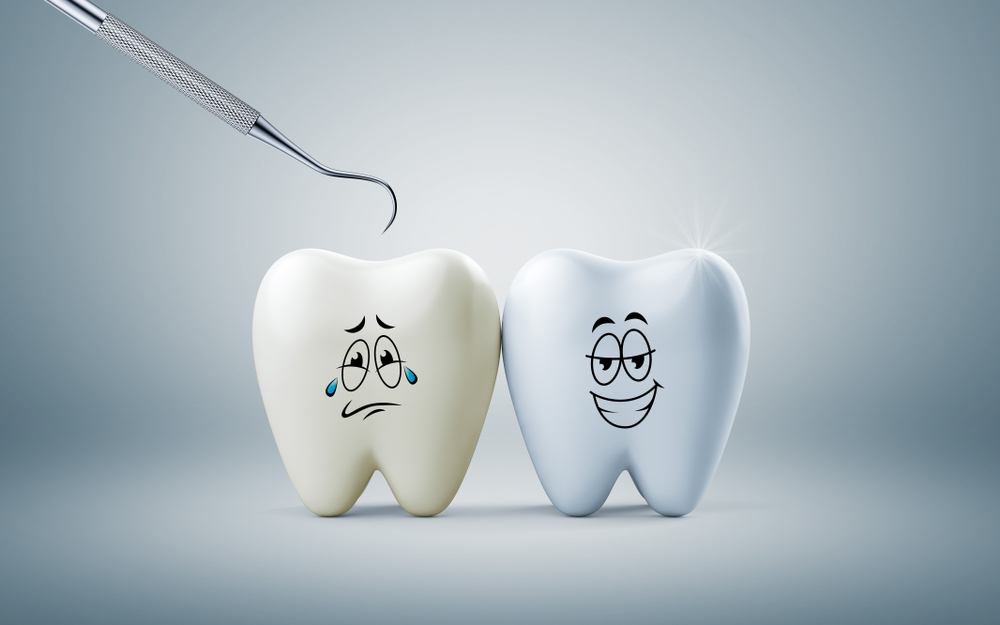
Why Teeth With Veneers Can Still Develop Cavities
A veneer is a thin covering bonded to the front of a tooth. It improves appearance while leaving much of the natural tooth in place. Unlike a crown, it does not cover the entire tooth.
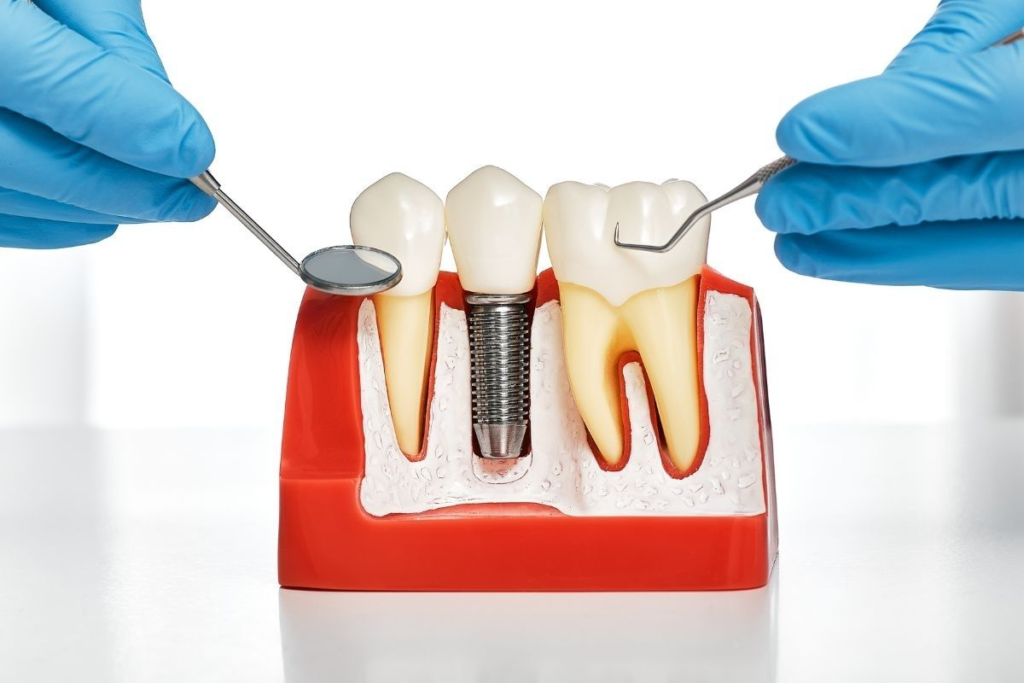
The uncovered surfaces remain vulnerable to decay. Cavities can also develop around the edges where the restoration meets natural tooth structure.
If you are exploring veneers in Agoura Hills, include cavity prevention in your consultation. Ask how your existing oral health could affect treatment and future maintenance.
Veneers should follow treatment for existing decay or gum disease. Covering an unhealthy tooth does not resolve the underlying problem. The American Dental Association confirms that cavities can develop under or around a veneer.

Where Decay Can Develop Around a Veneer
The junction between your veneer and natural tooth is called the margin. This area deserves attention during brushing and dental examinations.
Plaque can collect along the gumline and between neighboring teeth. These locations can be difficult to clean when you rush your routine.
The back of a veneered tooth also needs brushing. Cleaning only the visible front surface leaves other areas neglected.
Gum recession may expose root surfaces over time. These exposed areas can develop decay, even when the porcelain still looks unchanged.
A smooth-looking smile therefore cannot confirm that every supporting tooth is healthy. Your dentist needs to assess the tooth, restoration, and surrounding gums.
Which Habits Increase Cavity Risk?
Decay develops when oral bacteria use sugars and starches to produce acids. Repeated acid exposure can weaken natural tooth structure.
Frequent snacking and sipping sugary drinks can increase that exposure. An afternoon drink consumed slowly creates repeated opportunities for acid production.
Inconsistent brushing and skipped interdental cleaning also leave plaque behind. Your routine matters even when your restorations appear clean.
Early decay may produce no noticeable symptoms. That makes prevention and dental examinations important before discomfort develops.
Dry mouth adds another concern. Saliva helps clear food particles and supplies minerals that support tooth health.
Some medications and medical conditions reduce saliva production. Persistent dryness can increase your risk of cavities.
Tell your dentist about dryness, medication changes, or difficulty swallowing dry foods. Never stop prescribed medication without speaking with your healthcare professional.

Build a Daily Routine That Protects Your Teeth
Good maintenance does not need to be complicated. It needs to be consistent and suitable for your mouth.
Use these habits as your starting point:
- Brush twice daily with fluoride toothpaste.
- Use a soft toothbrush and gentle pressure.
- Clean between your teeth daily with floss or another recommended interdental cleaner.
- Brush the backs of your teeth, alongside the visible fronts.
- Limit frequent sugary snacks and prolonged sipping of sweetened drinks.
- Follow your dentist’s recommended examination and cleaning schedule.
Fluoride helps protect natural tooth structure. It remains useful even though porcelain itself cannot develop cavities.
Ask your dental team to demonstrate cleaning around your restorations. A practical demonstration can be more helpful than guessing at home.
If floss repeatedly catches or shreds in one location, mention it during your appointment. Your dentist can check that area.
Mouthwash may support a recommended routine, but it does not replace brushing or cleaning between teeth.
Protect the Restoration From Damage Too
Cavity prevention and damage prevention serve different purposes. Both matter when caring for your smile.
Avoid chewing ice, biting pens, or opening packaging with your teeth. These habits can chip or loosen a restoration.
Clenching and grinding can place additional stress on veneered teeth. Tell your dentist if you notice morning jaw discomfort or signs of grinding.
A night guard may be appropriate after an assessment. It does not replace daily hygiene or treatment for existing dental problems.
If your bite feels different after placement, arrange a review. Do not assume you simply need to tolerate an uncomfortable contact.
Warning Signs That Deserve a Dental Review
New symptoms do not automatically mean you have a cavity. However, they should not be ignored.
Contact your dentist if you notice:
- New or persistent sensitivity to hot, cold, or sweet foods.
- Pain when biting or chewing.
- A loose, chipped, or cracked veneer.
- A visible change around the restoration’s edge.
- Food repeatedly collecting in one area.
- Gum swelling or bleeding that continues.
Sensitivity can have several causes, including exposed roots, bite problems, or decay. A dental examination helps distinguish them.
A dark edge may reflect staining or another change. Its appearance alone cannot establish a diagnosis.
Describe when the symptom started and what triggers it. Those details help your dentist decide what to examine.
Seek prompt dental attention for facial swelling, fever, or significant worsening pain.
What Happens If Decay Is Found?
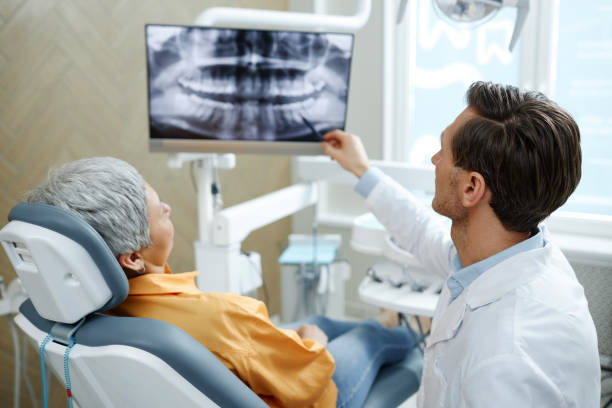
Treatment depends on the location and extent of the problem. Your dentist may use an examination and appropriate imaging to investigate.
Early mineral loss may sometimes respond to fluoride treatment. An established cavity generally requires removal of decay and restoration.
When a veneer is involved, your dentist must also assess access and the remaining tooth structure. Sometimes the existing restoration can remain.
Other cases require removing or replacing it. More extensive damage may change the recommended treatment entirely.
Ask what can be preserved and why a particular approach is recommended. You should understand the problem before agreeing to treatment.
Ignoring symptoms can reduce your future options. Arranging an assessment gives you clearer information about the next step.
Questions to Ask Before Choosing Veneers
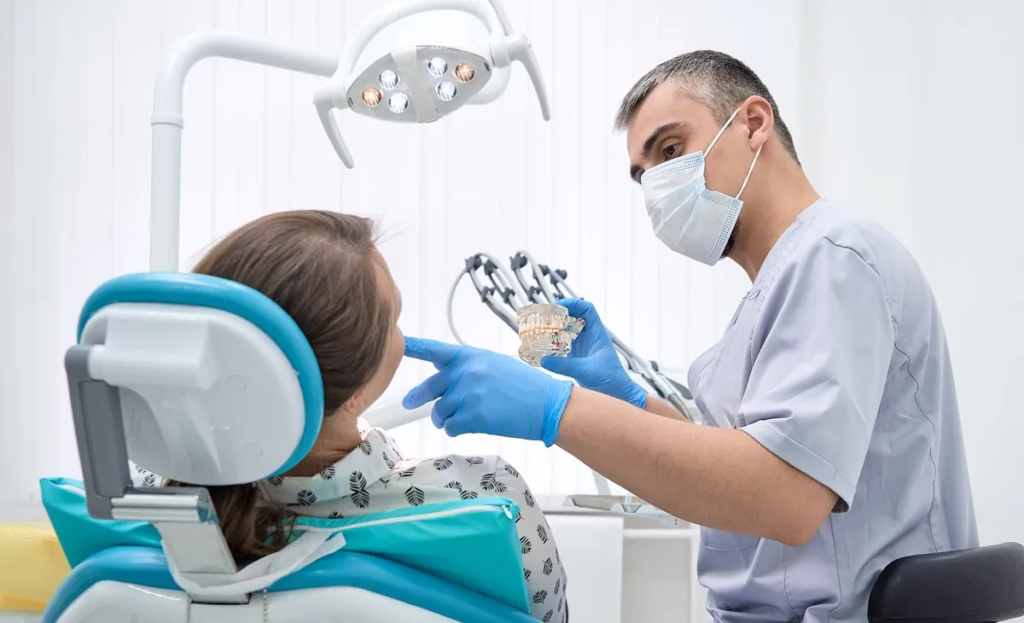
A consultation should cover more than shade and shape. It should also address the health of your teeth and gums.
When comparing porcelain veneers in Agoura Hills, ask whether existing dental problems need treatment first. Discuss your cavity history, cleaning habits, and any dryness.
Ask how much tooth preparation your case requires. Understand that preparation involving enamel removal creates a lasting commitment.
Also discuss repair, replacement, and ongoing examination costs. A treatment quote should help you understand future responsibilities.
At Agoura Advanced Dentistry, veneer consultations can provide an opportunity to discuss these concerns alongside appearance goals.
Your questions should be specific to your own circumstances. Bringing a medication list and explaining previous dental problems can make the conversation more useful.
Healthy Teeth Matter Beyond the Before-and-After Photo
Before-and-after images show appearance changes. They cannot establish the health of the teeth underneath.
When choosing a cosmetic dentist in Agoura Hills, consider the consultation, examination, and aftercare discussion. Ask how follow-up care will be managed.
If you wonder how long do veneers last, remember that lifespan is not guaranteed. Maintenance, bite forces, restoration condition, and supporting tooth health all matter.
A successful cosmetic result needs continuing care. Choose a plan you can maintain comfortably over time.
Conclusion
Veneers improve appearance, but your natural teeth still need protection. Daily hygiene, sensible eating habits, and dental examinations support that protection.
Pay attention to changes without trying to diagnose them yourself. Early assessment can help you understand whether treatment is needed.
The goal is a smile that looks good and remains manageable to care for.

Book a Consultation
Considering veneers in Agoura Hills? Contact Agoura Advanced Dentistry to discuss suitability, daily care, and your existing oral health.
Frequently Asked Questions
Can porcelain veneers get cavities?
No. Porcelain cannot decay, but the supporting natural tooth can develop cavities.
Can decay develop underneath a veneer?
Yes. Decay can occur under or around the restoration.
Do I still need to floss?
Yes. Daily cleaning between teeth remains essential.
Does sensitivity always mean a cavity?
No. Sensitivity has several causes and needs assessment when persistent or worsening.
Can a cavity be treated without replacing my veneer?
Sometimes. The location, extent, and restoration condition determine the approach.
Can I get veneers over existing decay?
Existing decay needs treatment first. Veneers do not cure dental disease.
How often should I have dental checkups?
Follow a schedule based on your individual oral health and cavity risk.