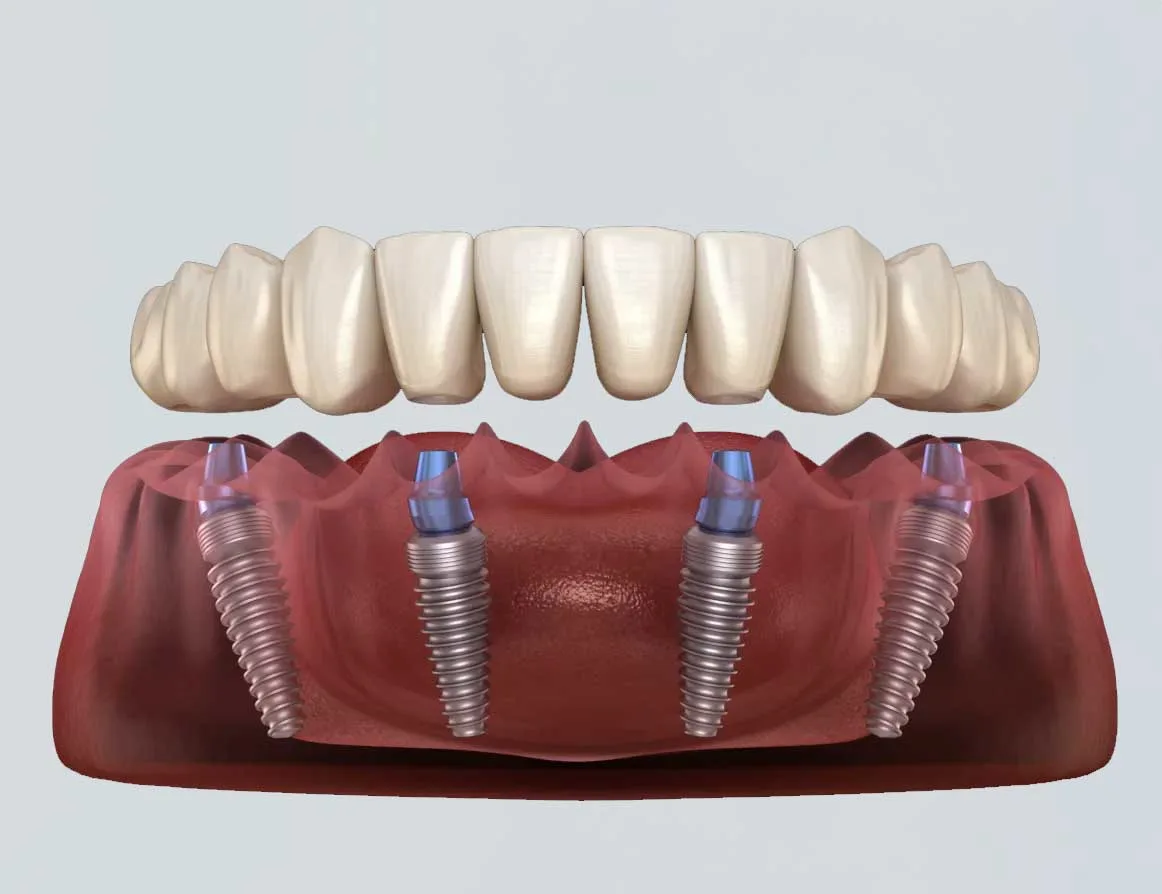
Full mouth restoration is one of the most significant dental decisions a person can make. It involves multiple procedures, a substantial investment of time and money, and a level of trust in your provider that goes well beyond what a routine dental appointment requires. Getting it right from the start matters enormously, not just for the quality of the final result but for the entire experience of going through the process.
Table of Contents
The challenge most patients face is knowing what to look for. Full mouth restoration isn’t like choosing a dentist for a cleaning or even a single crown. The complexity of the treatment, the number of procedures involved, and the long-term implications of the decisions made along the way all demand a provider with a very specific combination of experience, technology, and approach to patient care.
Patients exploring Full Mouth Restoration in Agoura Hills deserve a provider who can handle every aspect of their case with confidence and clarity. Here is a practical guide to finding the right one.
Start With Comprehensive Restorative Experience
The first and most important thing to evaluate is the dentist’s experience, specifically with full-mouth restoration cases. This is not the same as general dental experience. Full-mouth restoration requires coordinating multiple treatment types, managing complex bite mechanics, sequencing procedures correctly, and maintaining a clear vision of the final outcome over what can be a lengthy treatment timeline.
Ask directly how many full-mouth restoration cases the provider has completed. Ask whether they handle the full process in-house or refer parts of the treatment to other specialists. A provider who manages everything from surgical procedures like implants and bone grafting to the final restorative work under one roof tends to deliver more cohesive, consistent results than one who coordinates care across multiple separate practices.
Experience with a wide variety of cases also matters. A dentist who has treated patients with single missing teeth, multiple missing teeth, severe wear, failed restorations, and full arch cases has a much broader clinical perspective than one who primarily handles straightforward restorations.

Look for Advanced Diagnostic Technology
Full-mouth restoration planning relies heavily on accurate diagnostics. The quality of information available to the dentist before treatment begins directly affects the quality of decisions made throughout the process.
A provider worth considering should have access to and regularly use the following:
- 3D cone beam CT imaging — provides a detailed three-dimensional view of the jawbone, nerve locations, sinus positioning, and bone density that is essential for implant planning and surgical precision
- Digital intraoral scanners — replace traditional impressions with fast, accurate digital models of the teeth and bite that form the basis for crown, bridge, and restoration fabrication
- Digital smile design software — allows the dentist to map out the aesthetic goals of the restoration and give patients a visual preview of their projected outcome before any work begins
- Digital treatment planning tools — help sequence multiple procedures in the correct order and communicate the full plan clearly to the patient
A practice that invests in this level of technology is one that takes diagnostic accuracy and treatment planning seriously, both of which have a direct impact on the quality and predictability of your outcome.
Evaluate Their Approach to Treatment Planning
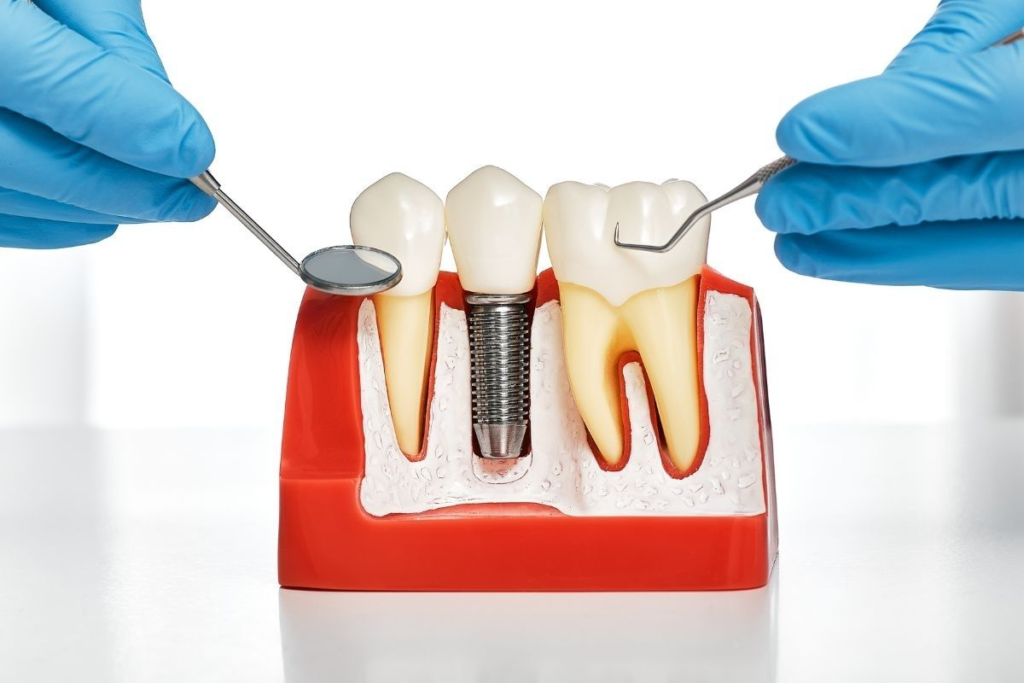
How a dentist approaches treatment planning tells you a great deal about how they will manage your case. A thorough, patient-centered approach to comprehensive dental restoration planning involves more than listing the procedures you need and putting them in order.
It starts with understanding your goals. What bothers you most about your current situation? What does a successful outcome look like for you in terms of function, appearance, and comfort? A provider who asks these questions and builds the plan around your answers is one who treats you as an individual rather than a clinical problem to be solved.
It also involves honest communication about what is and isn’t realistic for your specific situation. Full mouth restoration can achieve remarkable outcomes, but every case has its own set of constraints related to bone density, existing tooth structure, gum health, and overall oral condition. A dentist who sets realistic expectations from the start and explains the reasoning behind each treatment decision builds the kind of trust that carries patients through what can be a lengthy process.
Assess Their Sedation Options
Full-mouth restoration often involves extended appointments, multiple procedures, and, in some cases, surgical work that goes well beyond what a routine dental visit requires. For many patients, the idea of sitting through this amount of dental treatment is genuinely daunting, regardless of how much they want the end result.
A provider who offers comprehensive sedation options, including IV sedation and twilight sedation, gives patients a realistic path to completing their restoration comfortably without anxiety standing in the way. This matters not just for the patient’s experience but for the quality of the clinical work. A relaxed, cooperative patient allows the dentist to work more efficiently and precisely than one who is tense and uncomfortable throughout the appointment.
Ask specifically whether sedation is available for extended restorative appointments and who administers it. A practice that handles sedation in-house with a trained team provides a more seamless experience than one that requires a separate referral.
Review Real Patient Outcomes
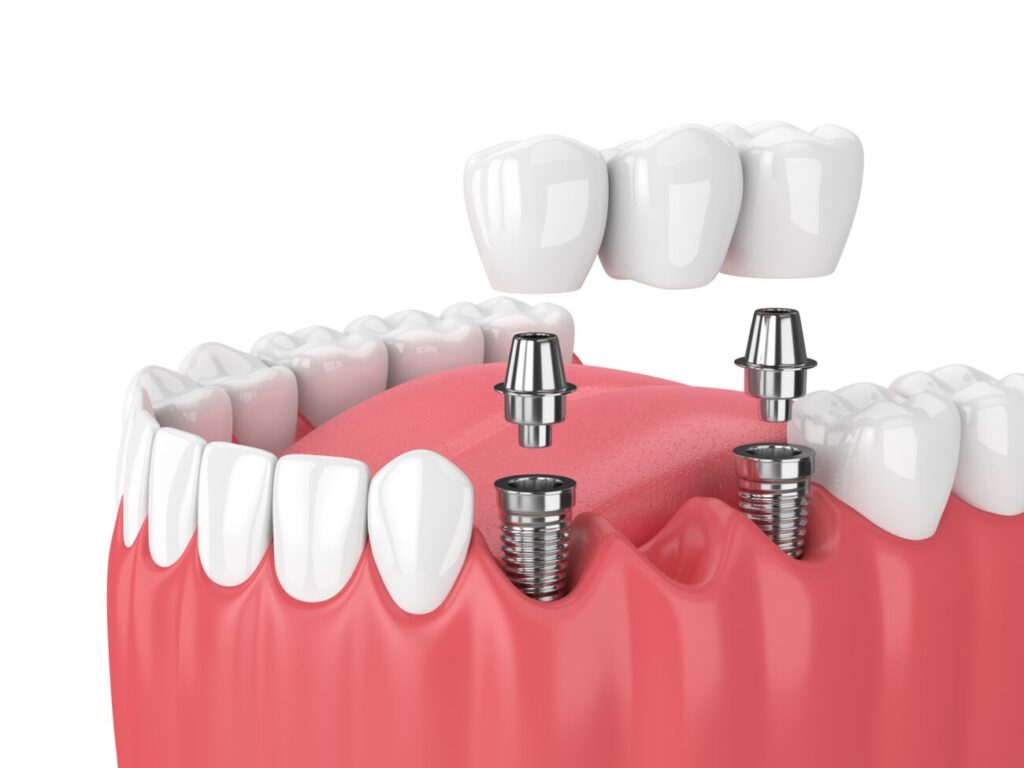
Before and after photos of real patients treated by that dentist are one of the most honest indicators of what your result might look like. When reviewing a provider’s portfolio, look for cases that involve a similar level of complexity to your own situation. Full arch restorations, cases involving implants alongside other restorative work, and cases where both function and appearance needed to be addressed together are all worth looking for.
Pay attention to how natural the final results look. Do the restorations blend with the patient’s overall facial features? Does the gum line look healthy and even? Do the proportions of the teeth look appropriate for the patient’s face? These details reflect the dentist’s aesthetic judgment, which is just as important as their technical skill in a case as comprehensive as a full-mouth restoration.
Patient reviews are also worth reading carefully. Look for consistent themes around communication, comfort during treatment, and satisfaction with long-term results. A dentist who consistently receives feedback about taking time to explain the process, making patients feel comfortable, and delivering on what was promised is one worth serious consideration.
Ask the Right Questions at Your Consultation
A consultation is your opportunity to evaluate the provider directly before making any commitment. Come prepared with questions that give you a genuine picture of how they work and what your experience is likely to involve.
Some worth asking include: How many full-mouth restoration cases have you completed? Do you handle all phases of treatment in-house? What imaging technology do you use for planning? What sedation options are available? How do you handle unexpected complications if they arise mid-treatment? What does the full treatment timeline look like for a case like mine?
A confident, experienced provider will answer these questions clearly and without hesitation. Their answers will give you a strong sense of whether this is the right person to trust with one of the most significant dental decisions of your life.

Agoura Advanced Dentistry serves patients across Agoura Hills, Calabasas, Westlake Village, Thousand Oaks, and Oak Park. Call or visit the website to schedule your full mouth restoration consultation today.
FAQs
How long does a full-mouth restoration take?
It depends on the complexity of the case. Straightforward cases may take a few months, while more involved cases requiring implants, bone grafting, and multiple restorations can take six months to over a year.
Is a full-mouth restoration painful?
Most patients are surprised by how manageable the process is. Local anesthesia and sedation options keep discomfort minimal during procedures, and recovery between appointments is typically well tolerated.
How much does a full-mouth restoration cost?
Costs vary significantly depending on the treatments involved. A detailed cost breakdown should be provided at the consultation stage so you understand exactly what is included before committing to anything.
Can I finance a full-mouth restoration?
Yes. Many practices offer payment plans and financing options to make comprehensive treatment more accessible. Ask about these options during your initial consultation.
Do I need a referral to see a dentist who specializes in full-mouth restorations?
No. Most practices accept direct bookings for full mouth restoration consultations. You can call or book online without a referral from another provider.
Ready to Find the Right Provider?
Finding the right dentist for full-mouth restoration is the most important decision in your treatment journey. Take the time to evaluate your options carefully, ask the right questions, and choose a provider whose experience, technology, and approach to patient care give you genuine confidence.