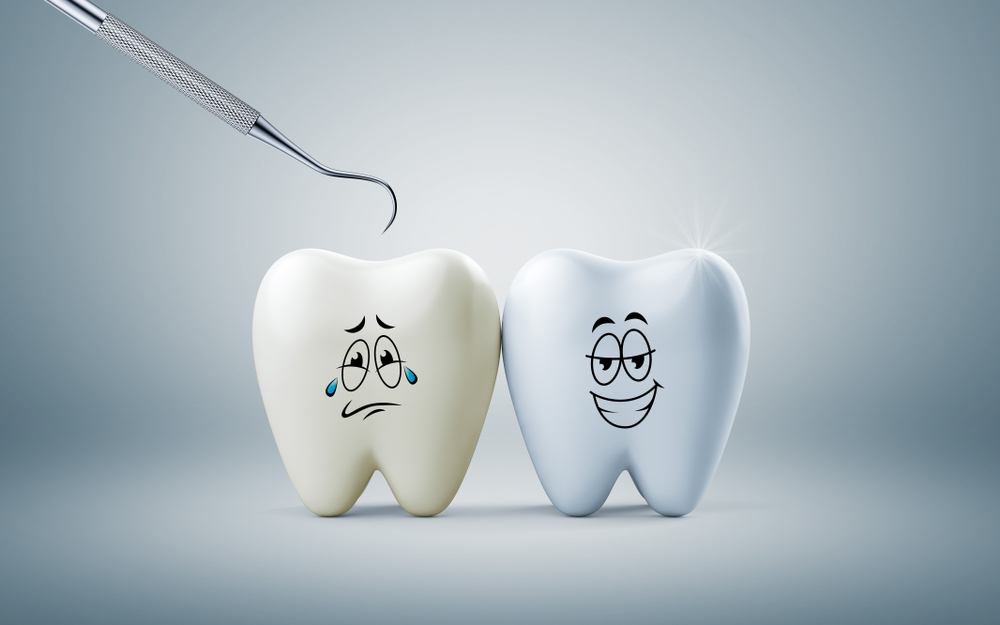
Full mouth restoration is one of the most comprehensive treatments in modern dentistry. It can involve implants, crowns, bone grafting, gum treatment, and multiple other procedures spread across several appointments. For patients who need it, the clinical outcomes can be genuinely life changing. But for many of those same patients, the thought of sitting through that much dental work feels overwhelming before they ever book a consultation.
Table of Contents
- Why Dental Anxiety and Full Mouth Restoration Often Go Together
- What Sedation Dentistry Actually Involves
- How Sedation Makes the Process More Manageable
- Consolidating Multiple Procedures Into Fewer Visits
- Safety and Monitoring During Sedation
- Recovery After Sedation
- Who Is a Good Candidate for Sedation During Full Mouth Restoration?
- FAQs
- Full Mouth Restoration Doesn’t Have to Feel Overwhelming
Dental anxiety is real. It affects a significant portion of the adult population, and it doesn’t discriminate based on how badly someone needs treatment. In fact, some of the patients who need the most comprehensive care are the ones who have been avoiding the dentist for years precisely because of anxiety. That avoidance is often what allowed their dental health to reach a point where full mouth restoration became necessary in the first place.
Sedation dentistry changes this dynamic entirely. For patients exploring Full Mouth Restoration in Agoura Hills, understanding what sedation options are available and how they work is often the turning point that makes moving forward feel possible rather than terrifying.
Why Dental Anxiety and Full Mouth Restoration Often Go Together
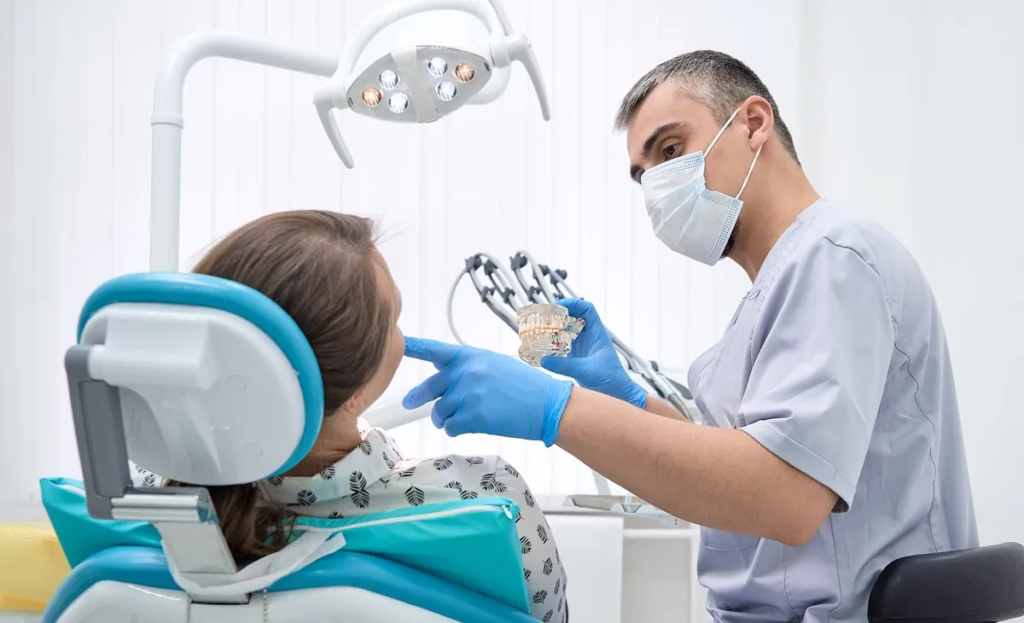
It might seem counterintuitive that patients who need the most dental work are also the ones most likely to feel anxious about it. But when you think about how dental anxiety tends to develop and perpetuate itself, it makes sense.
Most dental anxiety starts with a negative experience, either in childhood or as an adult. That experience creates a pattern of avoidance. Avoidance leads to delayed care. Delayed care allows problems to compound. And by the time a patient finally comes in, the amount of work needed is significant enough to feel genuinely daunting.
For these patients, the problem isn’t just clinical. It’s psychological. Telling someone with serious dental anxiety to simply push through multiple lengthy procedures without addressing the underlying fear is unlikely to result in a successful treatment outcome. Sedation dentistry addresses the root of the problem rather than asking patients to white-knuckle their way through it.
What Sedation Dentistry Actually Involves
Sedation dentistry covers a range of options, from mild relaxation to deeper states where the patient is largely unaware of what’s happening around them. The right level of sedation depends on the patient’s anxiety level, the complexity of the procedures being performed, and the overall treatment plan.
For full mouth restoration cases, the most commonly used options are:
- Oral sedation – a prescription medication taken before the appointment that produces a relaxed, drowsy state. Patients remain conscious but feel significantly calmer and less aware of their surroundings
- Nitrous oxide – inhaled through a small mask placed over the nose, produces a mild relaxing effect that wears off quickly after the mask is removed. Best suited for patients with mild to moderate anxiety
- IV sedation – administered directly into the bloodstream through a vein, producing a deeper state of relaxation. Patients are conscious but deeply relaxed and often have little to no memory of the procedure afterward
- Twilight sedation – a form of IV sedation that puts patients in a semi-conscious state. They can respond to instructions but feel completely detached from what’s happening and typically remember very little afterward
For patients undergoing full mouth dental sedation across complex, multi-procedure appointments, IV sedation and twilight sedation are often the most appropriate choices because they provide sustained, controllable relaxation throughout longer procedures.
How Sedation Makes the Process More Manageable
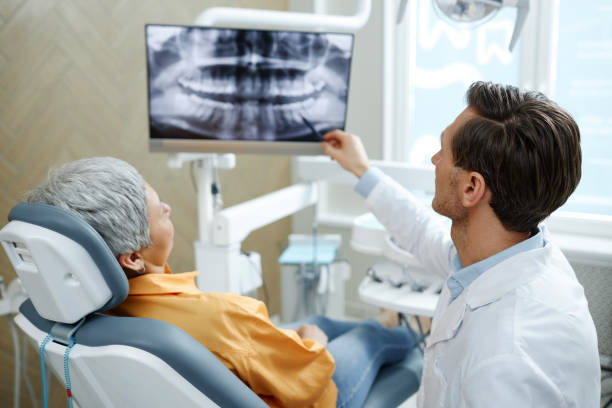
The practical benefits of sedation during full mouth restoration go beyond simply keeping a nervous patient calm. Sedation changes the entire experience of treatment in ways that affect both the patient and the quality of the work being done.
When a patient is fully relaxed, they’re less likely to flinch, shift position, or tense up during procedures. This allows the dentist to work more efficiently and precisely without interruptions. Longer appointments become possible, which means more work can be completed in fewer visits, reducing the overall number of appointments needed to complete the restoration.
For patients who would otherwise need to stop and recover emotionally between every procedure, sedation makes it realistic to consolidate treatment in a way that’s more convenient and less drawn out over time.
Consolidating Multiple Procedures Into Fewer Visits
One of the most significant practical benefits of sedation for full mouth restoration patients is the ability to combine multiple procedures into a single appointment. Without sedation, a patient might only be able to tolerate one hour of treatment at a time before anxiety or discomfort forces a break.
With IV or twilight sedation, a patient can comfortably undergo several hours of treatment in a single sitting without the experience feeling unbearable. This might mean completing bone grafting and implant placement in the same appointment, or addressing multiple crowns and extractions together, rather than spreading them across separate visits weeks apart.
For patients who want to complete their restoration as efficiently as possible, or who find the prospect of returning repeatedly for individual procedures more stressful than doing more at once, sedation makes this kind of consolidated approach viable.

Agoura Advanced Dentistry serves patients across Agoura Hills, Calabasas, Westlake Village, Thousand Oaks, Oak Park, and Malibu. Call us or visit our website to learn more about sedation options and schedule your full mouth restoration consultation today.
Safety and Monitoring During Sedation
A common concern patients raise about sedation is whether it’s safe. This is a reasonable question, and the honest answer is that sedation dentistry performed by a trained provider with appropriate monitoring equipment is very safe for the vast majority of patients.
During sedation, vital signs including heart rate, blood pressure, and oxygen levels are monitored continuously throughout the procedure. A trained team member is responsible for monitoring the patient at all times while the dentist focuses on the treatment.
Before any sedation is administered, the provider will review your medical history, current medications, and any conditions that might affect how sedation is managed. This pre-treatment assessment is what makes the process safe and allows the provider to choose the right type and level of sedation for your specific situation.
Recovery After Sedation
Recovery varies depending on the type of sedation used. Nitrous oxide wears off within minutes of removing the mask, and most patients can drive themselves home after. Oral sedation and IV sedation take longer to wear off, and patients will need someone to drive them home and stay with them for a few hours afterward.
Most patients feel groggy and tired for the rest of the day following IV or twilight sedation. By the following day, the sedation effects have typically worn off completely. Any post-procedure soreness from the dental work itself is managed with appropriate pain relief recommendations from the dental team.
Who Is a Good Candidate for Sedation During Full Mouth Restoration?
Most healthy adults are good candidates for dental sedation. Patients with moderate to severe dental anxiety, a strong gag reflex, difficulty sitting still for extended periods, or a history of traumatic dental experiences tend to benefit most.
Patients with certain medical conditions may need additional assessment before sedation is appropriate. This is always discussed during the consultation stage, where a full medical history review takes place before any treatment planning begins.
A provider experienced in sedation dentistry for complex cases will assess your situation carefully and recommend the most appropriate option rather than applying the same approach to every patient regardless of their individual needs.
FAQs
Is sedation dentistry safe for full mouth restoration?
Yes, when administered by a trained provider with proper monitoring equipment. A thorough medical history review takes place before any sedation is used to ensure it’s appropriate for your situation.
Will I be unconscious during sedation dentistry?
It depends on the type of sedation. IV and twilight sedation produce a deeply relaxed, semi-conscious state rather than full unconsciousness. Most patients have little to no memory of the procedure afterward.
Can I drive home after sedation?
Not after IV or twilight sedation. You will need someone to drive you home and stay with you for a few hours. Nitrous oxide wears off quickly, and most patients can drive after that type of sedation.
How many appointments will I need for full mouth restoration with sedation?
Sedation allows more work to be completed per appointment, which often reduces the total number of visits needed. Your dentist will map out a realistic treatment timeline based on your specific restoration plan.
Does insurance cover sedation dentistry?
Coverage varies by plan. Some insurance policies cover sedation for medically necessary procedures while others don’t. Your dental team can help you understand what your plan covers before treatment begins.
Full Mouth Restoration Doesn’t Have to Feel Overwhelming
Anxiety about dental treatment is real, and it’s nothing to be embarrassed about. Sedation dentistry exists precisely because patients deserve to get the care they need without fear standing in the way.